
(707) 622-6748

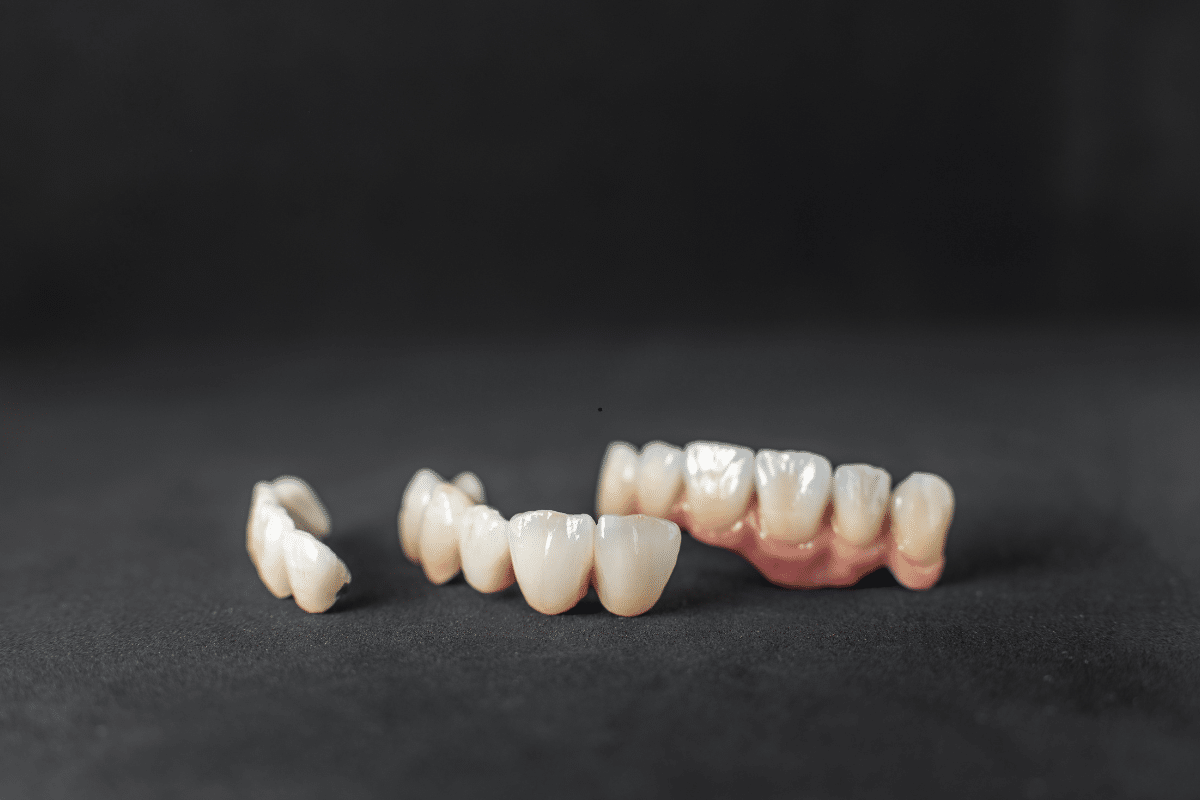
Many individuals dream of a perfect smile – one that is bright, even, and free from imperfections. Dental veneers have long been a popular solution for achieving this, offering a dramatic transformation by covering stained, chipped, or misaligned teeth. Traditionally, veneers required some preparation of the natural tooth structure. However, advancements in cosmetic dentistry have introduced a revolutionary option: minimally invasive, or “prepless,” veneers. This innovative approach allows for significant smile enhancements while preserving more of your natural tooth.
What Are Dental Veneers?
Dental veneers are thin, custom-made shells, usually crafted from porcelain or composite resin, that are bonded to the front surface of teeth. They are designed to improve the appearance of your smile by changing the color, shape, size, or length of your teeth. Veneers can effectively address a variety of cosmetic concerns, including:
- Severe discoloration that doesn’t respond to whitening
- Chips or cracks
- Gaps between teeth
- Minor misalignment
- Irregularly shaped or worn teeth
The Advantage of Minimally Invasive Veneers
The term “prepless” or “no-prep” refers to veneers that require little to no removal of the natural tooth enamel before placement. Unlike traditional veneers, which often necessitate a reduction of a small amount of enamel to accommodate the veneer, minimally invasive veneers are ultra-thin and can be bonded directly to the tooth surface. This means that the procedure is often reversible, as the underlying tooth structure remains largely intact. This preservation of natural teeth is a significant benefit for many patients.
Key Benefits of Choosing Minimally Invasive Veneers
Opting for minimally invasive veneers offers several compelling advantages:
- Preservation of Natural Tooth Structure: This is the most significant benefit, as it means little to no grinding down of your healthy teeth.
- Less Discomfort: With minimal or no enamel removal, the procedure is typically less invasive and often requires little to no anesthesia, leading to a more comfortable experience for the patient.
- Reversibility: In some cases, because the natural tooth is largely untouched, prepless veneers can be removed without permanent alteration to your smile.
- Faster Procedure: The preparation phase is significantly reduced or eliminated, potentially shortening appointment times.
- Natural Appearance: Modern materials and techniques ensure that these ultra-thin veneers blend seamlessly with your existing teeth, providing a beautiful, natural-looking result.
Are You a Candidate for Minimally Invasive Veneers?
While the idea of preserving natural tooth structure is appealing to many, minimally invasive veneers are not suitable for every case. Ideal candidates typically have:
- Minor cosmetic imperfections.
- Healthy teeth and gums with good overall oral health.
- Sufficient tooth enamel to bond the veneers securely.
- No severe misalignment or bite issues that would require orthodontic treatment.
A thorough consultation with a dental professional is essential to determine if minimally invasive veneers are the right option for your specific needs and smile goals.
The Process of Getting Your New Smile
The process for obtaining minimally invasive veneers is typically straightforward and efficient:
- Consultation and Smile Design: Your dentist will discuss your aesthetic goals, examine your oral health, and take impressions or digital scans of your teeth. This is where your new smile is designed.
- Veneer Fabrication: The impressions are sent to a dental lab where your custom-made, ultra-thin veneers are meticulously crafted to match your desired shade and shape.
- Bonding: Once the veneers are ready, your dentist will bond them to the front surface of your teeth using a strong dental adhesive. Adjustments will be made to ensure a perfect fit and comfortable bite.
Caring for Your New Veneers
Caring for your minimally invasive veneers is similar to caring for your natural teeth. Regular oral hygiene practices are crucial for maintaining their beauty and longevity:
- Brush twice a day with a non-abrasive toothpaste.
- Floss daily to remove food particles and plaque.
- Maintain regular dental check-ups and cleanings with your dentist.
- Avoid biting on hard objects (e.g., ice, hard candies) that could chip or damage the veneers.
Conclusion
Minimally invasive veneers represent an exciting advancement in cosmetic dentistry, offering a conservative yet highly effective way to enhance your smile. By preserving your natural tooth structure, they provide a comfortable and often reversible path to achieving the beautiful smile you’ve always wanted. If you are considering veneers to improve your smile and are looking for a dentist specializing in veneers in Rohnert Park, the team at Graton Dental Group is ready to assist you. They offer comprehensive consultations to determine if minimally invasive veneers are the ideal solution for your unique smile transformation.
**Disclaimer: This content should not be considered medical advice and does not imply a doctor-patient relationship.