
(707) 622-6748

Minimal Prep vs. No-Prep Veneers: How Much of Your Natural Enamel Should You Preserve?
January 28, 2026
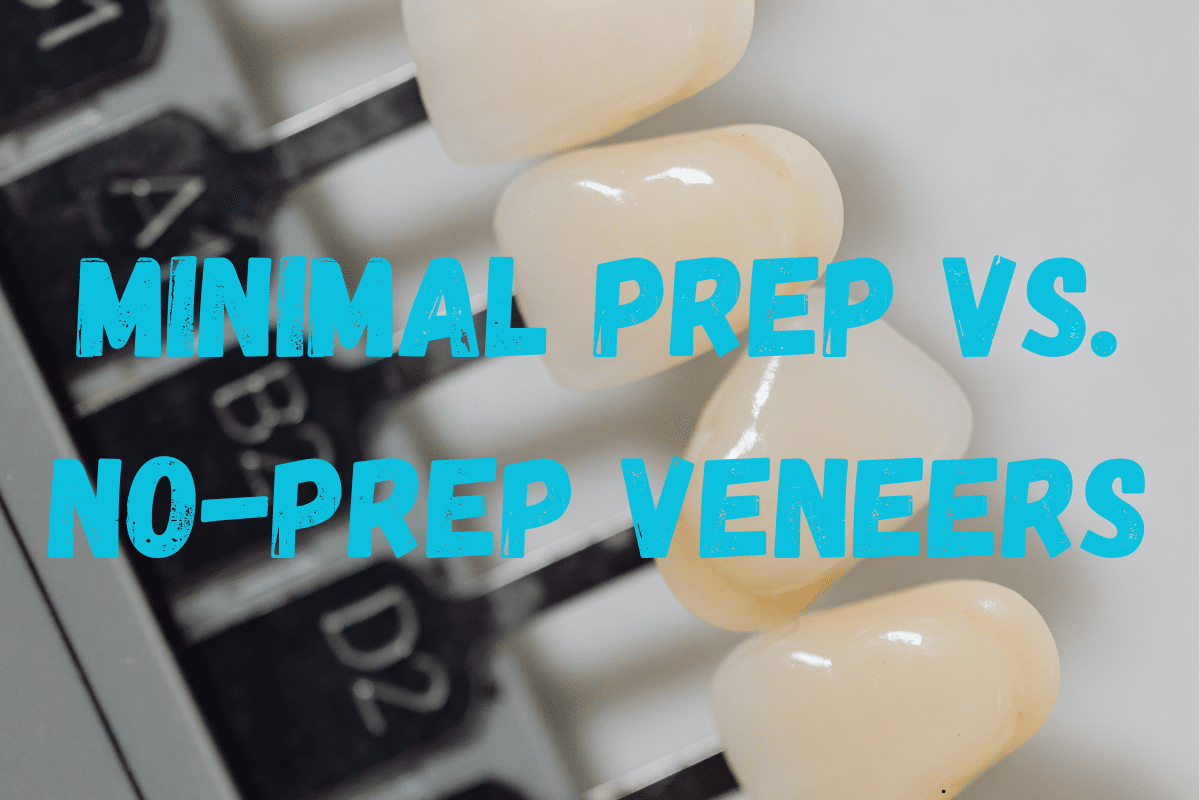
If you’re thinking about enhancing your smile, one of the first questions that often comes up is surprisingly personal: How much of my natural tooth will be changed? At Graton Dental Group, patients frequently ask whether minimal-prep or no-prep veneers are the “better” option. The truth is, neither approach is universally better—it depends on your teeth, your goals, and your long-term oral health.
This guide is designed to help you understand how each option works, what enamel preservation really means, and how dentists decide which approach fits your specific case.
Why Enamel Preservation Matters More Than You Think
Your enamel is the hardest substance in your body, but once it’s removed, it doesn’t grow back. That’s why modern cosmetic dentistry places such a strong emphasis on conservative treatment.
Preserving enamel helps:
- Maintain tooth strength
- Reduce sensitivity risks
- Improve long-term veneer bonding
- Keep future dental options open
For patients in Rohnert Park who want natural-looking results without unnecessary alteration, understanding prep levels is essential.
What Are Minimal-Prep Veneers?
Minimal-prep veneers require a small amount of enamel reshaping—often less than a millimeter. The goal isn’t to aggressively alter the tooth, but to create space so the veneer sits flush and looks natural.
When Minimal Prep Is Recommended
Minimal prep may be the better choice if you have:
- Teeth that are slightly misaligned
- Noticeable discoloration
- Small chips or uneven edges
- Thicker enamel that allows conservative reshaping
This approach gives dentists more flexibility in shaping and shade matching while still preserving most of your natural tooth structure.
What Are No-Prep Veneers?
No-prep veneers are placed directly over the natural tooth with little to no enamel removal. While this sounds ideal, it’s not suitable for everyone.
When No-Prep Veneers Work Best
No-prep options may be appropriate if:
- Teeth are naturally small or narrow
- Gaps need to be closed without bulk
- Teeth are well-aligned
- Minimal color correction is needed
Because no-prep veneers add material without reshaping, careful planning is critical to avoid a bulky or artificial look.
Minimal Prep vs. No-Prep: A Side-by-Side Look
Minimal-Prep Veneers
- Slight enamel removal
- Greater control over shape and shade
- Lower risk of a bulky appearance
- Suitable for a wider range of cases
No-Prep Veneers
- Little to no enamel removal
- Limited case eligibility
- Faster placement in some situations
- Requires excellent natural tooth alignment
Neither option is “better”—the right choice depends on anatomy, bite alignment, and aesthetic goals.
How Dentists Decide What’s Right for You
At Graton Dental Group, treatment planning is never one-size-fits-all. Dr. Sheila Inalou evaluates facial proportions, bite mechanics, and enamel thickness before recommending an approach. When gum health or bone support plays a role, periodontist Dr. Raman Gill may also be involved to ensure long-term stability.
Digital imaging and mock-ups allow patients to preview results before any permanent changes are made. This planning phase is what protects both aesthetics and tooth structure.
Local Insight: What Rohnert Park Patients Often Prioritize
Many patients in Rohnert Park prefer smiles that look refined but not obvious. Whether you’re commuting to Santa Rosa, working in education, healthcare, or hospitality, or simply enjoying the outdoor lifestyle Sonoma County offers, subtle enhancements often matter more than dramatic changes.
That’s why conservative veneer approaches are so popular locally—they enhance confidence without drawing attention to the dental work itself.
When exploring veneers in Rohnert Park, patients often value durability, comfort, and results that age naturally over time.
Common Myths About Veneer Prep
“No-prep veneers are always better.”
Not necessarily. In some cases, skipping prep can compromise the final look or bite balance.
“Minimal prep means aggressive drilling.”
Minimal prep is controlled and conservative, often preserving over 90% of natural enamel.
“Once you choose veneers, there’s no going back.”
Modern techniques focus on flexibility and long-term planning, especially when enamel preservation is prioritized.
Is There a Recovery Period?
Most patients return to normal activities the same day. Mild sensitivity can occur, especially with minimal prep, but it’s typically short-lived. Proper aftercare and follow-up ensure comfort and longevity.
FAQs
How long do veneers last?
With proper care, veneers can last 10–15 years or longer.
Will veneers damage my teeth?
When planned conservatively, veneers protect rather than harm underlying teeth.
Can I choose no-prep veneers if I want them?
Eligibility depends on tooth shape, alignment, and bite—not preference alone.
Do veneers look natural in everyday light?
Yes. Modern materials are designed to reflect light like natural enamel.
How many times can veneers be replaced?
That depends on enamel preservation and overall oral health, which is why conservative prep matters.
Ready to Explore Your Options?
If you’re considering veneers and want expert guidance rooted in precision—not trends—schedule a consultation at Graton Dental Group. With personalized planning and a conservative philosophy, our team helps patients achieve confident, natural smiles that last.
For those researching veneers Rohnert Park, the right approach starts with the right conversation.
**Disclaimer: This content should not be considered medical advice and does not imply a doctor-patient relationship.