
(707) 622-6748

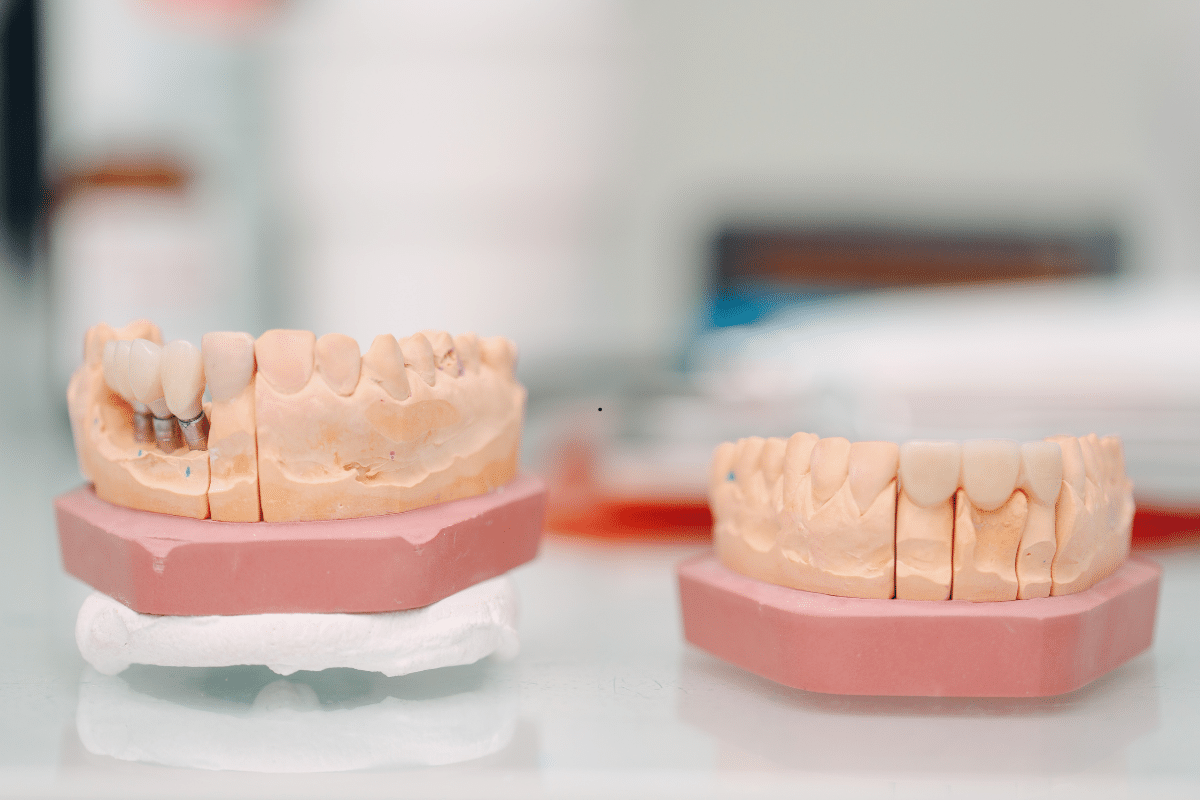
If you have missing teeth, you know the impact it can have on your confidence and daily life. Fortunately, modern dentistry offers incredible solutions to restore your smile’s function and appearance. Among the most popular and effective options are dental implants, but you may have heard of two different types: traditional and mini.
Understanding the difference is key to determining the best path forward for your oral health. Let’s break down these two types of Dental Implants in Rohnert Park to see which one might be the right fit for you.
What Are Traditional Dental Implants?
A traditional dental implant is considered the gold standard for replacing missing teeth. It is a small, screw-like post, typically made of biocompatible titanium, that is surgically placed into the jawbone.
Key Features:
- Structure: It consists of two main parts: the implant post that acts as a tooth root and a separate connector piece called an abutment, which holds the final crown, bridge, or denture.
- Process: The implant fuses directly with the jawbone through a process called osseointegration, creating an incredibly strong and stable foundation.
- Best For: Replacing single or multiple teeth, providing a durable, long-lasting solution that functions just like a natural tooth. This option requires adequate jawbone density to ensure a successful outcome.
What Are Mini Dental Implants?
As the name suggests, mini dental implants (MDIs) are a smaller version of their traditional counterparts. They are about half the diameter of a traditional implant and are designed differently.
Key Features:
- Structure: MDIs are a single, solid piece of titanium with a small ball on the end that connects to the dental restoration.
- Process: The placement procedure is less invasive, often completed in a single visit with a shorter recovery time.
- Best For: Primarily used to stabilize loose lower dentures. They can sometimes be an option for patients with significant bone loss who may not be candidates for traditional implants without a bone graft.
Head-to-Head: Traditional vs. Mini Implants
While both serve to improve your smile, their applications and characteristics are quite different. Here’s a direct comparison:
Size and Procedure
- Traditional Implants: Larger in diameter, requiring a more involved surgical procedure. Healing can take several months to allow for complete fusion with the bone before the final crown is placed.
- Mini Implants: Thinner and shorter, allowing for a minimally invasive placement that often doesn’t require sutures.
Durability and Function
- Traditional Implants: Designed to withstand the powerful bite forces of chewing. Because they integrate fully with the jaw, they offer unparalleled strength and are the most durable, long-term solution for replacing individual teeth.
- Mini Implants: Not typically strong enough to support a single crown in a high-pressure area like a molar. Their primary function is to add stability to dentures, not to serve as a standalone tooth replacement.
Bone Requirements
- Traditional Implants: A sufficient amount of healthy jawbone is essential for the implant to be secure. Patients with bone loss may require a bone grafting procedure first.
- Mini Implants: Because they are smaller, they can sometimes be placed in areas where bone loss has occurred, making them an alternative for some patients.
Conclusion: Which Implant Is Your Best Choice?
Both traditional and mini implants are valuable tools in restorative dentistry, but they serve different purposes. The best choice depends entirely on your specific needs, the health of your jawbone, and your ultimate goals.
If you are looking for the most permanent and durable solution to replace one or more missing teeth, traditional Dental Implants in Rohnert Park are likely the superior option. If your main goal is to secure a loose denture, mini implants may be the perfect fit.
The first step is a professional consultation. If you’re considering your options for tooth replacement, contact Graton Dental Group today. Our expert team will perform a thorough evaluation and help you decide on the safest and most effective treatment to restore your beautiful smile.
**Disclaimer: This content should not be considered medical advice and does not imply a doctor-patient relationship.