
(707) 622-6748

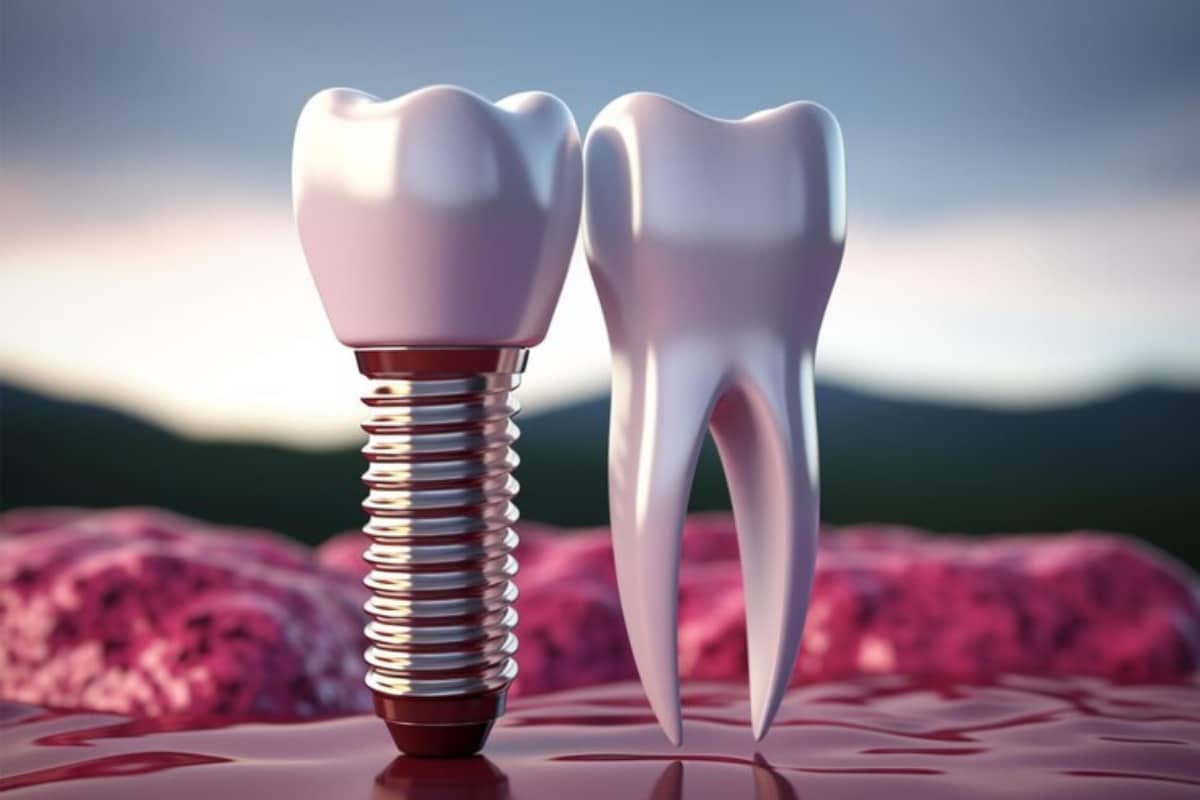
When it comes to replacing missing teeth, you might find yourself wondering whether dentures or dental implants are the better option for you. Both solutions have their merits, but understanding their differences can help you make an informed choice about which is best for your dental health and lifestyle.
In this blog, we’ll compare dentures and dental implants in terms of comfort, functionality, and overall impact on oral health, so you can determine which option aligns with your needs.
Dentures vs. Dental Implants: A Comparative Overview
- Fit & Stability
Dentures can sometimes feel loose because they sit on top of the gums without being anchored to the jawbone. This lack of anchorage can lead to discomfort and instability. In contrast, dental implants are securely anchored into the jawbone, much like the roots of natural teeth. This provides a strong and stable fit that mimics natural tooth function.
- Chewing & Eating
Chewing with dentures can be challenging, as patients often need to balance food on both sides of their mouth to avoid tipping or loosening the dentures. On the other hand, dental implants offer superior comfort and ease of chewing. The zirconia teeth supported by implants are firmly secured, eliminating the need to adjust your chewing habits.
- Impact on Speech
A bulky piece of plastic covering the roof of the mouth, as found in dentures, can impact speech and may take some time to get used to. In contrast, implant-supported prosthetics are slimmer and less likely to move around. While there is an adjustment period with implants, most patients adapt to speaking with them within a few weeks.
- Daily Routine
Dentures need to be removed and cleaned nightly, which can leave you toothless while you sleep. They require regular brushing and soaking in a cleaning solution. Dental implants, however, are non-removable and can be cleaned like natural teeth. Regular brushing and using a water pick to clean underneath the fixed bridge are typically sufficient, with follow-up visits every six months for maintenance.
- Longevity
Due to wear and tear, dentures generally need replacement every five years. Dental implants, with proper care, can last a lifetime. The zirconia prosthetics attached to implants are highly durable and long-lasting.
- Professional Maintenance
Dentures often require frequent adjustments to prevent sore spots on the gums. In contrast, dental implants themselves do not require adjustments, though the prosthetics may need minor tweaks initially to ensure the best fit and function. Be cautious of clinics offering one-size-fits-all solutions within 24 hours, as proper fitting may require several appointments.
- Extractions
Tooth extractions for dentures are usually performed under local anesthesia, meaning you will be awake during the procedure. For dental implants, extractions can often be done under general anesthesia, especially for full arch implants, allowing you to sleep through the entire process.
- Health Impact
Dentures can lead to significant bone loss in the jaws and may cause dietary modifications that negatively impact overall health. Dental implants help stimulate the jawbone, reducing bone loss and supporting a normal diet, leading to a better quality of life.
Conclusion
When comparing dentures vs. dental implants, it’s evident that dental implants provide superior comfort, functionality, and long-term benefits. They offer a more natural feel and greater stability, making them a preferred choice for many patients seeking a lasting solution to missing teeth.
If you’re considering dental implants in Rohnert Park or need to explore your options further, we at Graton Dental Group are here to assist. Contact us to schedule a consultation and discover how dental implants can enhance your smile and oral health.
**Disclaimer: This content should not be considered medical advice and does not imply a doctor-patient relationship.