
(707) 622-6748

Are you feeling a twinge of discomfort in your tooth? Perhaps a persistent throbbing pain that just won’t go away? If so, chances are you may be in need of a root canal treatment. Don’t worry! Before you start envisioning scary dental procedures and endless hours in the dentist’s chair, let us demystify the process for you. In this blog post, we’ll take you through everything you need to know about root canal treatments – from understanding what it is, to debunking common myths and sharing recovery tips. So grab your seatbelt (or should we say dental bib?) as we embark on this enlightening journey into the world of root canals!
What is a Root Canal Treatment?
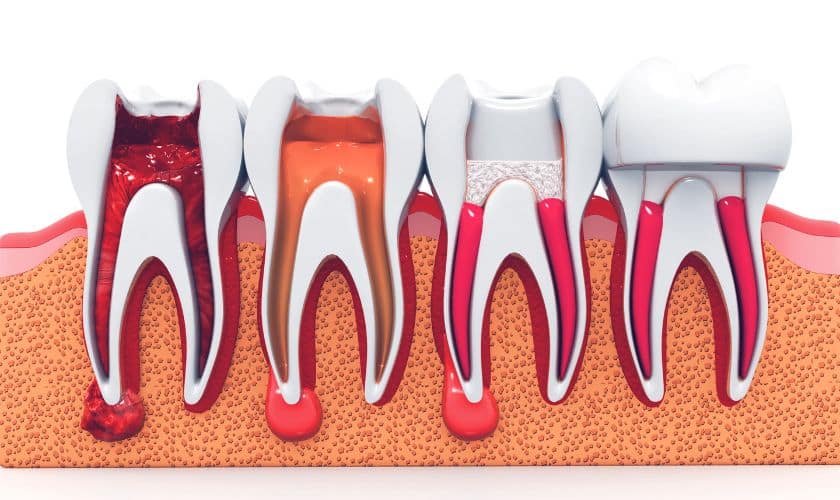
A root canal treatment, also known as endodontic therapy, is a dental procedure that aims to save a severely infected or damaged tooth. It involves removing the infected pulp from the inside of the tooth and cleaning out the canals before filling them with a special material.
Now you might be wondering, what exactly is this “pulp” we’re talking about? Well, it’s the soft tissue at the center of your tooth which contains nerves, blood vessels, and connective tissues. When this pulp becomes infected due to deep decay or trauma, it can result in excruciating pain and even lead to abscesses.
During a root canal treatment, your dentist will start by numbing the area around the affected tooth using local anesthesia. Once you’re comfortable and relaxed (yes, you read that right!), they will create an access hole through which they can reach and remove the infected pulp.
But wait! Before you start picturing scenes from horror movies involving drills and sharp tools – fear not! Thanks to modern advancements in dentistry techniques and technology, root canal treatments are now more efficient and virtually pain-free for most patients. So put those fears aside and let us guide you through each step of this fascinating process!
Signs That You May Need a Root Canal
Experiencing tooth pain can be incredibly uncomfortable and sometimes even debilitating. It’s important to pay attention to these symptoms, as they may indicate the need for a root canal treatment. Here are some signs that you should look out for:
- Persistent toothache: If you’re dealing with a constant or recurring toothache, it could be a sign of an infection deep within the pulp of your tooth. This is one of the primary reasons why people require root canal treatment.
- Sensitivity to hot and cold: Do you find yourself wincing when you drink something hot or cold? Increased sensitivity in your teeth can indicate nerve damage or infection, which may necessitate a root canal.
- Swollen gums: Inflamed gums around the affected tooth can occur due to an infection spreading from the roots. This swelling is often accompanied by tenderness and redness.
- Discolored tooth: A darkened or discolored tooth could mean that the nerves inside have been damaged or infected, requiring immediate attention.
- Dental abscess: The appearance of pus-filled bumps on your gums near a specific tooth signifies an abscessed tooth, which typically requires prompt root canal treatment.
If you notice any of these signs, it’s essential to consult with your dentist as soon as possible for proper diagnosis and appropriate treatment options
Common Myths About Root Canals
There are numerous misconceptions and myths surrounding root canal treatment. These myths often create unnecessary fear and anxiety for patients who may need this procedure. Let’s debunk some of the most common myths to help you better understand the truth about root canals.
Myth 1: Root canals are extremely painful.
Contrary to popular belief, modern advancements in dentistry have made root canal treatments virtually painless. With local anesthesia, you will be comfortably numb throughout the procedure, ensuring minimal discomfort.
Myth 2: Root canals cause illness or systemic problems.
This is a long-standing myth with no scientific evidence to support it. In fact, root canals are performed to remove infected tissue from within the tooth, eliminating potential sources of infection that could lead to systemic health issues.
Myth 3: Extraction is always a better option than a root canal.
While extraction may seem like an easier solution in some cases, preserving your natural tooth through a root canal treatment should always be prioritized whenever possible. Extracting the tooth can result in misalignment of neighboring teeth and additional dental problems down the line.
Myth 4: You only need a root canal if you have severe pain.
Pain is not always indicative of needing a root canal. Other signs such as sensitivity to hot or cold foods/drinks, swelling around the affected area, persistent bad breath or taste, and gum recession could also signal that you might require this treatment.
Remember that consulting with your dentist is crucial when determining whether you need a root canal or alternative treatments based on your specific case. By dispelling these common misconceptions about root canals, we hope to alleviate any fears associated with this beneficial dental procedure
The Procedure: Step by Step Guide
Root canal treatment may sound intimidating, but it is a routine dental procedure that can save your tooth and alleviate pain. Let’s demystify the process step by step.
First, your dentist will numb the area with a local anesthetic to ensure you’re comfortable throughout the procedure. Once you’re numb, they will place a dental dam around the affected tooth to keep it clean and isolated from saliva.
Next, your dentist will create a small access hole in the tooth’s surface using specialized instruments. This allows them to reach the infected or damaged pulp inside.
Using files of increasing size, your dentist will carefully remove all infected tissue and shape the root canals. This ensures proper disinfection while preserving as much healthy structure as possible.
Once cleaned thoroughly, your dentist will fill the now-empty root canals with a biocompatible material called gutta-percha. This seals off any remaining bacteria and prevents reinfection.
In most cases, a temporary filling is placed over the access hole until you return for a permanent restoration like a crown or filling. This strengthens and protects against further damage.
Remember to follow any post-treatment instructions provided by your dentist for optimal healing and recovery!
Root canal treatment doesn’t have to be scary when you understand what happens during each step of the process. Trust in modern dentistry’s advancements – they make this important procedure more efficient than ever before!
Recovery and Aftercare Tips
Recovery and aftercare following a root canal treatment are crucial to ensure a smooth healing process. Here are some tips to help you navigate this phase:
- Take it easy: After the procedure, give yourself time to rest and recover. Avoid any strenuous activities that may cause discomfort or disrupt the healing process.
- Manage pain: It’s common to experience mild discomfort or sensitivity in the treated area. Over-the-counter pain relievers can help alleviate any pain, but always consult with your dentist before taking any medication.
- Maintain oral hygiene: Good dental hygiene is essential for proper healing and preventing infection. Brush gently twice a day using a soft-bristle toothbrush, floss carefully around the treated tooth, and rinse with warm saltwater several times a day.
- Watch your diet: Stick to softer foods initially as chewing on hard or crunchy foods may irritate the area. Opt for nutritious options like soups, yogurt, mashed potatoes, and smoothies.
- Follow post-treatment instructions: Your dentist will provide specific guidelines for aftercare based on your individual case. Adhere to these instructions diligently to promote optimal healing.
Remember that every patient’s recovery journey is unique; therefore, it’s important to consult with your dentist regularly during this period for personalized advice and support.
Alternatives to Root Canal Treatment
When it comes to dental procedures, root canal treatment is often seen as the last resort. While it is a highly effective way to save an infected tooth, some patients may be hesitant or fearful of undergoing this procedure. Thankfully, there are alternative treatment options available that can address similar dental issues.
One common alternative to root canal treatment is extraction. This involves removing the infected tooth altogether. Although it may seem like a quick and easy solution, extraction should only be considered if no other options are viable. It’s important to keep in mind that extracting a tooth can lead to various complications such as shifting teeth, difficulty chewing, and even changes in facial appearance.
Another option is antibiotics combined with pain management techniques. In some cases where the infection has not progressed significantly or the symptoms are mild, dentists may prescribe antibiotics along with pain relief medication. While this approach can provide temporary relief from discomfort, it does not eliminate the underlying cause of the problem.
For those who prefer more holistic approaches, natural remedies such as oil pulling and herbal mouth rinses have gained popularity as alternatives to traditional root canal treatments. These methods aim at reducing bacteria in the mouth and promoting overall oral health.
It’s crucial to consult with your dentist before considering any alternatives to root canal treatment. They will evaluate your specific case and recommend the most suitable course of action based on factors such as severity of infection, location of affected tooth, and overall oral health.
Remember that while alternatives exist for root canal treatment, they may not always offer long-term solutions or be appropriate for every situation. It’s essential to prioritize preserving your natural teeth whenever possible by discussing all available options with your dentist.
Why You Shouldn’t Fear a Root Canal
After demystifying the root canal treatment and shedding light on its procedure, recovery, and alternatives, it is clear that there is no reason to fear this common dental procedure. While some myths may have instilled fear in your mind, it’s important to remember that root canals are performed by skilled professionals who prioritize your comfort and well-being.
Root canal treatment not only relieves pain caused by infected teeth but also saves them from extraction. By addressing the underlying issue rather than just treating the symptoms, you can maintain a healthy smile for years to come.
If you experience any signs indicating the need for a root canal such as persistent toothache or sensitivity, consult with your dentist promptly. Early detection and timely intervention can prevent further complications and make the process smoother.
Remember that every individual’s situation may be unique, so discussing alternatives with your dentist is always an option. However, considering their expertise and knowledge of your specific case will help guide you towards making an informed decision about what is best for your oral health.
So don’t let misinformation or fear hold you back from seeking necessary dental care. Embrace the benefits of modern dentistry and take control of your oral health by understanding that a root canal treatment doesn’t deserve its intimidating reputation!
Now armed with knowledge about root canals, share this information with others who might have similar concerns. Spread awareness among friends and family members so they too can overcome their fears surrounding this essential dental procedure.