
(707) 622-6748

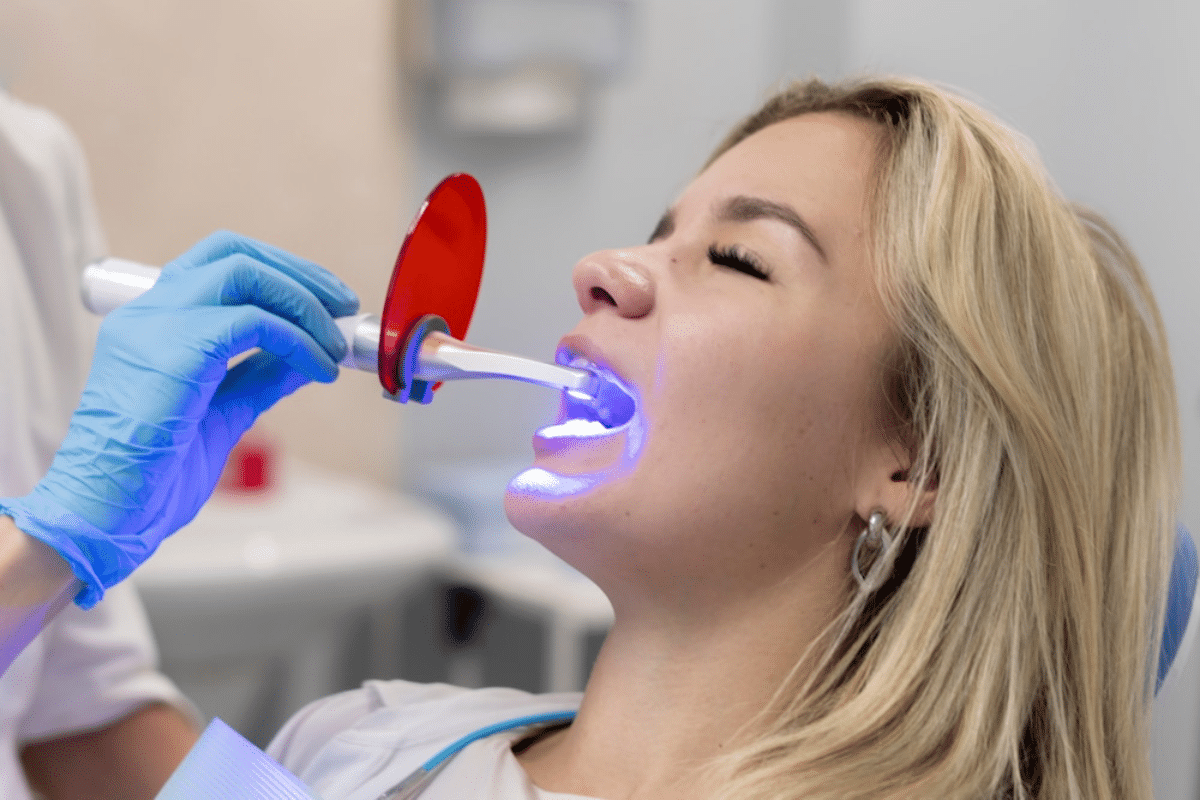
Teeth whitening is a popular way to achieve a brighter, more confident smile. Many people turn to whitening treatments to combat stains from age, coffee, smoking, and other lifestyle habits. However, while teeth whitening can be effective, it’s important to know that over-whitening can lead to uncomfortable and even harmful side effects. In this blog, we’ll explore the potential risks of over-whitening and how to maintain a healthy smile while achieving the best results.
What Is Teeth Whitening?
Teeth whitening is a cosmetic dental procedure that uses a bleaching agent to remove stains and lighten the color of your teeth. It works by breaking down the pigments in the enamel, reducing discoloration caused by food, drink, smoking, and even aging. There are different types of whitening treatments available, ranging from over-the-counter products to professional in-office procedures.
Whitening treatments can help address long-term staining caused by:
- Coffee and tea consumption
- Red wine and acidic foods
- Tobacco use
- Medications that discolor teeth
- Natural aging of teeth
While teeth whitening is a relatively simple and safe procedure, overusing whitening products can lead to negative side effects.
How Over-Whitening Occurs
Over-whitening typically happens when you use whitening products too frequently or combine different types of treatments. This may include:
- Multiple in-office whitening treatments spaced too closely together.
- Excessive use of over-the-counter whitening products, such as toothpaste, mouthwashes, or bleaching kits.
- Combining in-office procedures with at-home treatments without proper guidance from a dentist.
At Graton Dental Group, we ensure that whitening treatments are appropriately spaced to avoid the harmful effects of over-whitening. If you experience any discomfort or sensitivity during your treatment, it’s important to consult with your dentist right away.
Common Side Effects of Over-Whitening
If you over-whiten your teeth, you may experience various uncomfortable symptoms. These include:
1. Tooth Sensitivity
Excessive whitening can lead to increased sensitivity to hot, cold, sweet, or acidic foods and beverages. This happens when the peroxide in whitening products breaks down and exposes the sensitive layer beneath your enamel. If you’re already prone to tooth sensitivity, you may experience more severe symptoms.
Other factors that can increase sensitivity include:
- Existing cracks, cavities, or loose fillings
- Overuse of whitening products
- Recent in-office whitening treatments
2. Gum Irritation
Over-whitening can also cause irritation to the gums and soft tissues inside your mouth. This may result in redness, swelling, and discomfort, especially if whitening products come into contact with sensitive gum areas. It’s important to follow proper instructions when using whitening trays and avoid placing them incorrectly.
3. Changes in Appearance
If you over-whiten your teeth, you might notice a translucent appearance due to thinning enamel. As enamel wears down, the underlying yellow dentin becomes visible. This can also lead to a rough texture on your teeth, which may cause them to stain more easily in the future.
4. Other Side Effects
In rare cases, overuse of whitening products can cause more serious reactions, including:
- Burns or blisters on the gums
- Swelling of the lips, tongue, or face
- Hives or difficulty breathing (a sign of an allergic reaction)
If you experience any of these symptoms, it’s crucial to stop using whitening products and seek medical attention immediately.
How to Avoid Over-Whitening Your Teeth
To maintain a healthy smile while whitening your teeth, follow these guidelines:
- Consult with your dentist before starting any whitening treatment to ensure it’s safe for your teeth and gums.
- Space out in-office treatments and avoid excessive use of at-home whitening products.
- Stop using whitening products if you begin to experience tooth sensitivity or irritation.
- Maintain good oral hygiene, including brushing twice a day, flossing, and avoiding foods that can stain your teeth.
- Use fluoride toothpaste or desensitizing products if you experience sensitivity after whitening.
By following these steps, you can achieve the bright smile you desire without risking damage to your teeth and gums.
Conclusion
Teeth whitening can be a safe and effective way to enhance your smile when done correctly. However, over-whitening can lead to various side effects, including tooth sensitivity, gum irritation, and even long-term damage to your enamel. If you’ve experienced any of these issues or have concerns about your whitening routine, we recommend consulting with a cosmetic dentist in Rohnert Park.
At Graton Dental Group, we offer professional teeth whitening services and personalized care to help you achieve the best results. If you’re considering teeth whitening or experiencing side effects, don’t hesitate to contact us for a consultation.
**Disclaimer: This content should not be considered medical advice and does not imply a doctor-patient relationship.