
(707) 622-6748

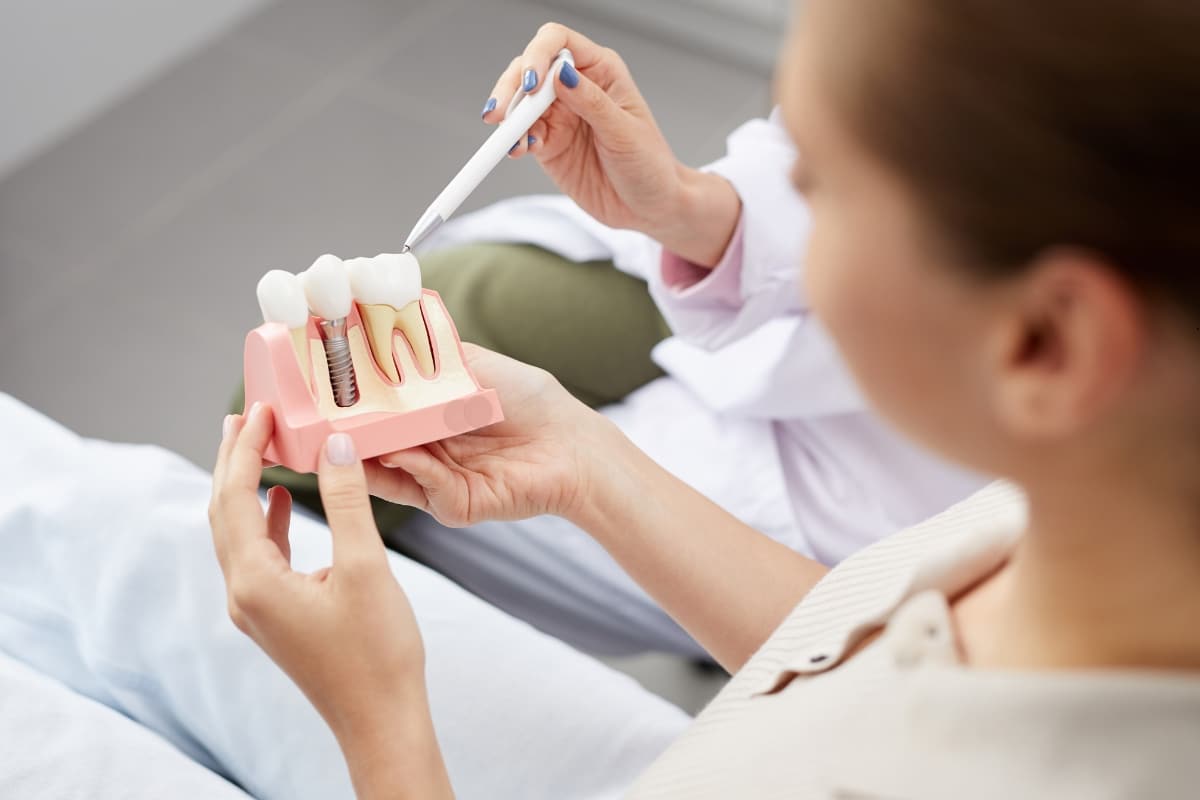
Dental implants have revolutionized tooth replacement, offering a long-lasting, natural-feeling solution for those with missing or damaged teeth. They integrate into the bone structure of the jaw, providing a stable and functional replacement without affecting surrounding teeth. While most dental implant procedures are successful, there are potential issues that can arise, leading to complications. In this blog, we will explore common dental implant problems and offer solutions for overcoming them.
Dental Implants & Oral Health
For dental implants to be successful, a healthy mouth is essential. Issues such as tooth decay, gum disease, and bite problems can affect both natural teeth and dental implants. The better your oral health, the higher the chances that your dental implants will be successful.
Key Factors for Success:
- Healthy Mouth: Implants require a well-maintained mouth for proper integration with the jawbone.
- Jawbone Density: Sufficient bone density is essential to support the implant.
- Oral Hygiene: Brushing and flossing regularly are crucial for implant longevity.
- Tobacco Use: Smoking or using tobacco products can increase the risk of infection and implant failure.
Potential Issues with Dental Implants
While dental implants are generally a successful and permanent solution for tooth replacement, there are some issues that can arise during or after the procedure.
1. Infection and Bacterial Problems
One of the most common issues with dental implants is infection around the implant site. Bacterial infections can prevent the implant from properly integrating with the bone. If the infection is not addressed, it can lead to implant failure.
Solution:
- Practicing strict oral hygiene and following the dentist’s aftercare instructions can help prevent infection.
- If an infection occurs, your dentist may prescribe antibiotics or recommend additional treatments.
2. Implant Failure
Dental implants may fail if they do not fuse properly with the bone. This failure can occur due to several reasons, including poor bone density, incorrect placement, or anatomical issues that prevent proper healing.
Solution:
- Prior to the procedure, your dentist will assess your bone structure to ensure it’s suitable for implants. If necessary, bone grafts or other procedures can be performed to improve bone density.
- If an implant fails, your dentist may recommend replacing it or performing additional treatments to resolve the issue.
3. Grinding and Clenching
Habitual grinding or clenching of teeth (often a result of stress or sleep disorders) can overload the implant and disrupt the healing process. This may cause the implant to break or the bond between the implant and bone to weaken.
Solution:
- Wearing a night guard or splint can help protect the implant and prevent damage from grinding or clenching.
- Managing stress and addressing underlying sleep issues can also help alleviate this problem.
4. Loss of Bone or Gum Tissue
If the bone or gum tissue around the implant is insufficient, the implant may not integrate well with the bone. Severe gum disease or bone loss may require additional treatment.
Solution:
- Bone grafts or gum grafts may be used to restore tissue around the implant site and improve its chances of success.
- Regular check-ups with your dentist are essential to monitor bone health and address any issues early.
Treatment Options for Implant Problems
If any complications arise after the implant procedure, there are a few treatment options available to resolve the issue and improve the success rate of the implant:
- Bone Grafts or Gum Grafts: These can help restore bone or gum tissue to support the implant and improve its integration.
- Implant Replacement: If the implant fails, replacing it with a new one may be necessary.
- Removal of the Implant: In some cases, severe complications may require the removal of the implant entirely, particularly if bone disease or continuous smoking has compromised the implant site.
Dental Implants in Rohnert Park
At Graton Dental Group, we specialize in dental implants, providing patients with the best solutions to restore their smile and improve their oral health. Our team of professionals is dedicated to offering high-quality care and using the latest technologies to ensure the success of your dental implants.
Whether you’re considering dental implants for the first time or need help with an existing implant, our skilled Rohnert Park dentist can guide you through the process. We understand that dental procedures can be a big decision, which is why we strive to make the process as comfortable and seamless as possible.
Conclusion
Dental implants are an excellent solution for replacing missing or damaged teeth. However, maintaining good oral hygiene and addressing any potential problems early on is crucial for ensuring the long-term success of the implants. If you’re experiencing issues with your implants or are considering getting dental implants in Rohnert Park, it’s important to consult with an experienced dentist. At Graton Dental Group, we offer expert advice and treatment to help you achieve the smile you deserve.
**Disclaimer: This content should not be considered medical advice and does not imply a doctor-patient relationship.