
(707) 622-6748

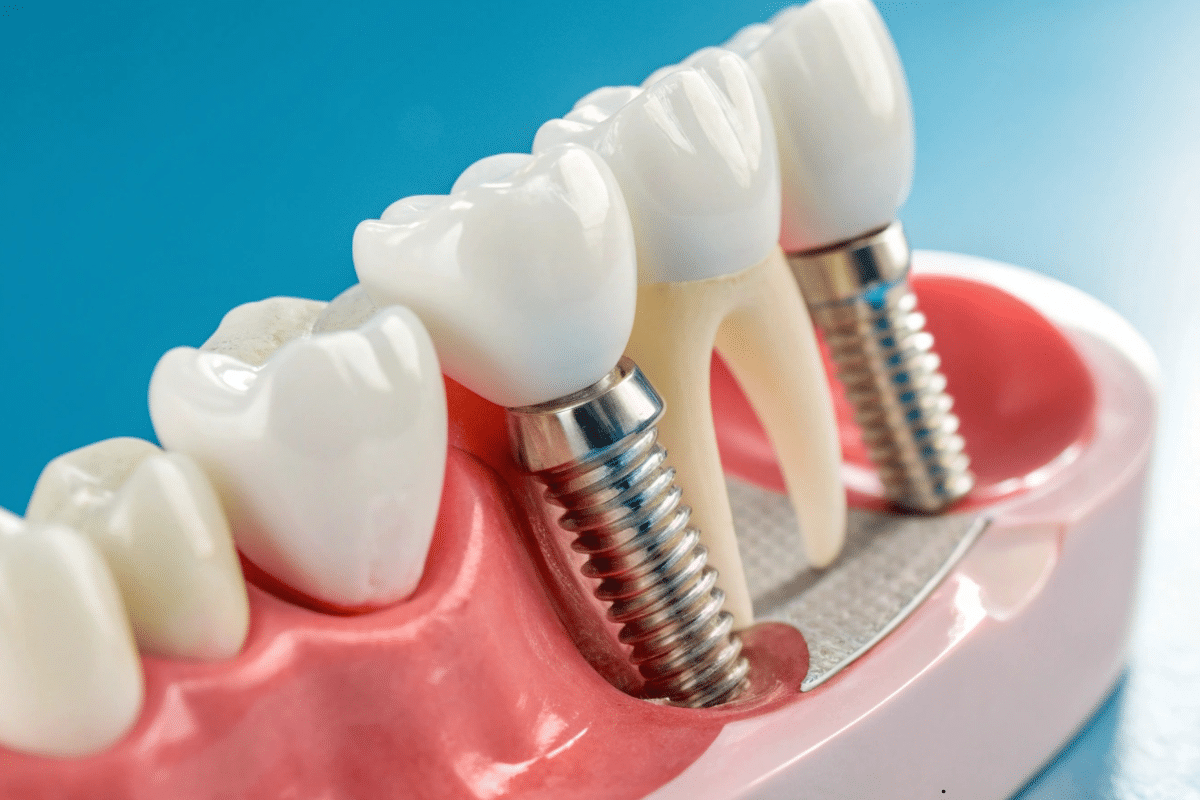
Missing more than one tooth in a row can raise a lot of questions—especially when you start researching implants. One of the most common concerns we hear at Graton Dental Group is simple but important:
Can you safely place two dental implants right next to each other?
The short answer is yes, in many cases—but the real answer depends on your bone health, spacing, and long-term oral stability. Let’s walk through what that means, how specialists approach it, and what patients in Rohnert Park, CA should know before deciding.
Why This Question Comes Up So Often
Whether tooth loss happened due to injury, decay, or gum disease, losing neighboring teeth can affect far more than your smile. Chewing efficiency drops, surrounding teeth shift, and the jawbone in that area begins to shrink.
Naturally, many patients wonder if placing two implants side by side is the smartest and most stable solution—or if it’s risky.
The good news? With proper planning and expert placement, adjacent implants can be highly successful.
Is It Safe to Place Two Implants Next to Each Other?
Yes—when done correctly.
Placing two implants beside each other requires careful attention to:
- Bone volume and density
- Space between implants
- Gum health
- Bite forces and alignment
This is where experience matters. At Graton Dental Group, implant planning often involves collaboration between Dr. Sheila Inalou, the restorative dentist, and Dr. Raman Gill, periodontist, to ensure both function and long-term health are protected.
Once enough healthy bone is confirmed, placing two implants next to each other can restore strength, aesthetics, and comfort comparable to natural teeth.
Why Bone Health Matters More Than Tooth Count
Teeth sit in bone, not gums. When teeth are lost, bone loss begins quietly—but steadily. For adjacent implants, there must be enough bone between each implant to maintain stability and blood supply.
If bone loss has already occurred, bone grafting may be recommended before implant placement. While that sounds intimidating, it’s a routine procedure that improves implant success rates dramatically.
This step is especially important for patients who’ve been missing teeth for several years.
Implant vs. Bridge: Why Not Just One Implant?
Some patients ask why not place a single implant and suspend a bridge to replace two teeth.
In some cases, that may be appropriate. However, two individual implants often:
- Preserve bone more effectively
- Prevent stress on neighboring teeth
- Feel more natural when chewing
- Are easier to maintain long-term
This is why many patients seeking Dental Implants Rohnert Park services choose individual implants when conditions allow.
What Makes Adjacent Implants Successful?
Placing implants next to each other isn’t about speed—it’s about precision.
Key success factors include:
- Proper spacing to protect gum tissue
- Balanced bite forces to prevent overload
- Accurate surgical placement using advanced imaging
- High-quality restorations that mimic natural teeth
When these elements come together, adjacent implants can last decades with routine care.
Living in Rohnert Park? Why Local Expertise Matters
Rohnert Park residents value practicality—whether it’s walking the Sonoma State campus, commuting locally, or enjoying meals with family. Dental solutions here need to fit real lifestyles.
Local implant care means:
- Easy access to follow-up visits
- Providers who understand community needs
- Long-term care under one trusted team
Graton Dental Group serves patients throughout Rohnert Park and nearby Sonoma County, offering continuity from surgical placement to final restoration.
What the Implant Process Typically Looks Like
Here’s a simplified overview for patients considering adjacent implants:
- Consultation & 3D imaging
- Bone evaluation (and grafting if needed)
- Implant placement
- Healing and bone integration
- Final crowns placed for function and aesthetics
The timeline varies, but thoughtful pacing improves outcomes—especially when placing two implants together.
Are Two Implants Harder to Care For?
Not at all.
You’ll brush and floss just like natural teeth. In fact, implants are often easier to maintain than bridges because there’s no artificial tooth spanning underneath.
Routine dental visits and good home care are all that’s required.
When Adjacent Implants May Not Be Ideal
While many patients qualify, there are cases where alternatives are considered, such as:
- Insufficient bone width
- Uncontrolled gum disease
- Heavy grinding without protection
These factors don’t mean implants are impossible—just that treatment may need to be adjusted.
That’s why personalized planning is essential.
Ready to Explore Your Options?
If you’re missing neighboring teeth and wondering whether implants are right for you, a professional evaluation is the best next step.
At Graton Dental Group, Dr. Sheila Inalou and Dr. Raman Gill combine restorative and periodontal expertise to create implant solutions designed for comfort, longevity, and confidence.
If you’ve been researching Dental Implants Rohnert Park, now is the time to turn questions into answers.
📞 Schedule a consultation today and take the next step toward restoring your smile.
FAQs
1. Can two dental implants be placed at the same time?
Yes. In many cases, both implants can be placed during the same appointment if bone conditions are favorable.
2. Do adjacent implants look natural?
Absolutely. When properly restored, they blend seamlessly with surrounding teeth.
3. Is recovery longer with two implants?
Recovery is similar to a single implant. Most patients return to normal routines quickly.
4. Will implants affect my speech or eating?
Once healed, implants function like natural teeth and often improve both.
5. How long do adjacent implants last?
With good oral hygiene and regular checkups, they can last a lifetime.
**Disclaimer: This content should not be considered medical advice and does not imply a doctor-patient relationship.